
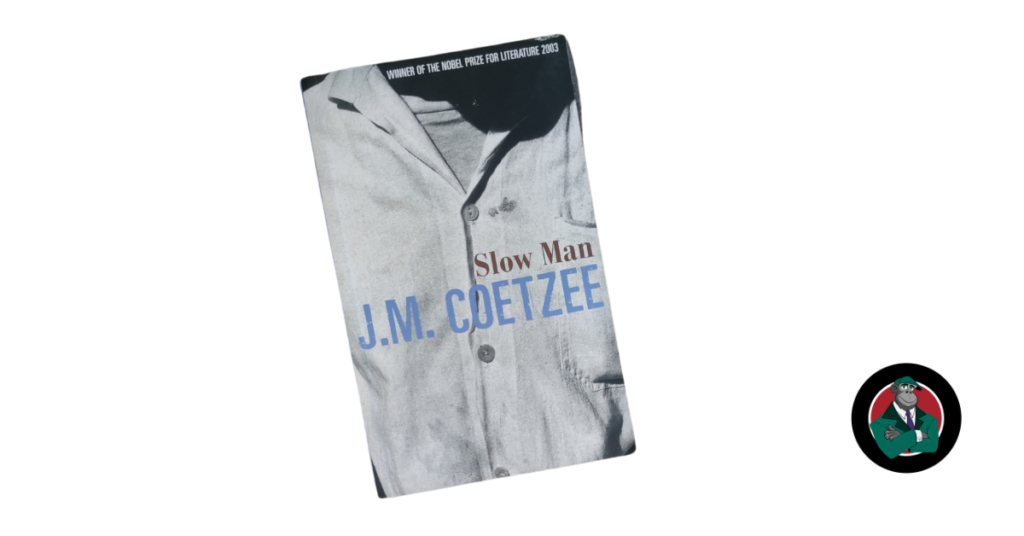
The title may make you think that this tale is similar to the protagonist’s journey in Flowers for Algernon, but the main character in this book doesn’t seem to have an impaired mental capacity. The big shock to this lead’s timeline is the fact that he ends up in an accident and loses a leg. That’s essentially where the story begins.
What then develops is an interesting interpersonal tale similar to JM Coetzee’s other works. Although losing a leg is dramatic, the vivid prose makes it seem like a minor plot point as the real drama ensues between the characters in the narrative. Due to being a newly minted amputee our hero enlists the help of a carer, a nurse.
The relationship that develops between him and her is the lynchpin of the story as it evolves. The entwining of lives so familiar to anyone who has dealt with humans extensively. With only a few settings where the action plays out, the world of this tale is reminiscent of a stage production. The apartment where the primary personality lives is almost another individual character in the plot. Helping drive the story toward its conclusion.
One interesting feature of this book was the arrival of Elizabeth Costello who has her own JM Coetzee novel, named Elizabeth Costello. I’d read that book before and so I knew who she was when she arrived in Slow Man but I wasn’t quite sure what she was doing there. Being an author she obviously finds herself involved in stories but was this a symptom of Mr Coetzee running out of ideas?
It didn’t seem so, her arrival held a sense of purpose and even she seemingly drove the plot forward through its somewhat intense twists and turns. I liked her book but I wasn’t sure of her place in this one. I often find that writers like writing about writers. It’s a way for them to put themselves in the story, but as writers that is how they experience the world: as writers. They can only explain existence through the eyes of a writer and so many scribes simply add a persona to the play that represents their role in life.
But the Costello woman belonged as much in Slow Man as the Slow Man himself. The tension within their personal relationship was palpable and the chosen words helped them and their interactions bound from the page into my imagination. Of all the JM Coetzee novels I’ve read so far this one was the easiest. Although there may be sequences that reek of awkwardness and uncomfort, which comes with being alive and growing into adulthood, I found them more entertaining than disturbing. The book held little of the historical gravitas of a Waiting for the barbarians or the visceral and searing action of Disgrace. However, it remains a solid story, told well. The author maintains his distinctive and realistic style while venturing into a more mundane subject matter.
It is a fairly simple task to tell a dramatic story and enthral the audience, but it takes a finer touch to tell a simple and soulful recital that evokes epic drama out of everyday life. The ordinary is often excused as insignificant but it is those moments that make up the majority of our lives. To treasure them is vital.

