
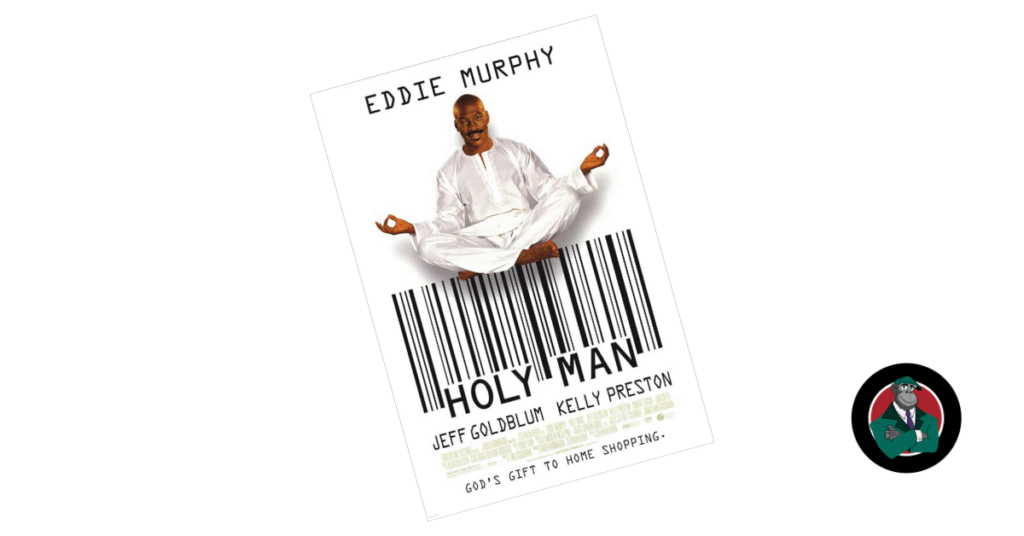
I’d hate to sound like one of those older simians who always speak with warm nostalgia about the past and the products of the past as if they were superior to the current times but there are some parts of the older culture that are undoubtedly valuable, even decades later. I have watched the film Holy Man multiple times, although I’m not sure how many exactly, I’m certain it’s into the double digits. When it first came out I was but a young ape without much perspective on the topic of life and so the first time I saw the film it seemed boring and most of the messages went way over my head. But as I grew up into the man-ape I am today, I realised that this film held significant philosophical and psychological value.
I’ve read a fair share of books from thinkers who are well versed in spiritual matters, particularly scholars of the schools that come from the far east. But matters of the spirit are universal and all good and true teachers help their students reach the same finish line. Unfortunately there are quite a few charlatans peddling their spiritual snake oil but the character of G in Holy Man is not one of them. He’s a pure innocent.
The scriptwriting of this film is spectacular. Placing an enlightened person in the midst of one of the most confused consumerist cultures imaginable, and an iconic TV apparition of the 90’s zeitgeist: what was then called Home Shopping. Infomercials. They were a permanent feature of the TV landscape back then and more than a few people killed more than a few hours watching them. As a kid they were the irritating things that preceded my afternoon cartoons. They didn’t provide much entertainment value, which is precisely the problem that Jeff Goldblum’s character has to face when the sales of his TV shopping network flatline.
Apart from offering a comedic but warm-hearted look at the fragile philosophy of overt consumerism and seeking meaning in material crap, the film also has a sweet little love story thrown in with that fantastic heartthrob Kelly Preston. There are also some familiar faces among the supporting cast. Fans of Will and Grace will recognise a long-haired Eric McCormack doing his best impersonation of a douchebag.
But the star is undoubtedly Eddie Murphy and he does a great job of being the lovable and affable and enlightened G. His comedic chops are well known and they come through in this act too, but they’re not as raw as they typically appear in some of his other performances. There’s a subtle droll undercurrent that flows throughout his performance that gives the character credibility but keeps the film firmly rooted in a believable reality.
Whenever I’m feeling anxious or down this film seems to find its way onto my TV screen. And I always welcome it. Whether I’m actually watching or simply having it fill the background with noise, it leaves me feeling better than I did before the runtime began. The fact is that once you grow up and have to lead an adult human existence there are many things that proclaim themselves priorities, like your job and bills and all those chores that make modern life livable. But as much as these things may be necessities they also crowd out many of the factors that make life worth living to begin with.
This film is a nice reminder of what really matters. The people we love. The work that gives us purpose rather than a paycheck. The small things that are really the big things and imbue our lives with meaning. To my mind this is one of the best films the 90’s ever produced. It may not be Eddie Murphy’s most famous, or the critics’ most favourite, but the value of this story and the quality of its telling feels timeless to me.

